

Password Reset
Forgot your password? Enter the email address you used to create your account to initiate a password reset.


Forgot your password? Enter the email address you used to create your account to initiate a password reset.
5 Minutes
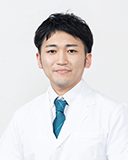 The Ferguson Lab for Orthopaedic and Spine Research welcomes its newest international visiting research scholar, Hiroki Kaneta, MD. He joined the lab in November 2025.
Dr. Kaneta is an orthopaedic surgeon by training. He grew up in Hokkaido, Japan, and earned his medical degree in 2015 from Asahikawa Medical University. After completing medical school, Dr. Kaneta moved to Hiroshima, Japan, for his two-year general residency and worked in several hospitals for 10 years with a focus on orthopaedic trauma.
Medical education and training in Japan is structured differently than in the United States. Medical students enter medical school directly after high school and after a competitive national entrance exam process. Medical school in Japan lasts 6 years, after which there is usually a 2 year residency that is broad-based. After completion of the residency program, doctors can apply for further subspecialty training programs, typically at a university program or hospital. Subspecialty training in orthopaedics is another 5 to 6 years, followed by opportunities for fellowship-type training.
In 2022, he joined the Department of Orthopedic Surgery at the Hiroshima University Graduate School under the supervision of Professor Adachi, where he focuses on hip surgery and arthroplasty using some of the latest robotic-assisted surgical platforms. Dr. Kaneta also began basic science research training under the supervision of Dr. Nakasa in the laboratory of Professor Miyaki, whose lab’s focus is on miRNAs in cartilage and arthritis.
Dr. Kaneta’s research at Hiroshima University Graduate School is focused on the anti-inflammatory effects of ginger-derived extracellular vesicles (GDEVs) in models of rheumatoid arthritis. Results from both in vitro and in vivo studies suggest that GDEVs possess anti-inflammatory properties. In small animal models of ankle arthritis, GDEVs were shown to decrease inflammation and mitigate cartilage damage, supporting their potential therapeutic relevance in arthritis.
This prior work required the development and validation of biologically relevant small-animal models of chronic, degenerative musculoskeletal disease, an approach that directly informs his current research focus in the Ferguson Lab.
Dr. Kaneta’s research project in the Ferguson Lab is focused on developing a small animal model of age-related Achilles’ tendinopathy using aged rats, a common condition in older adults that can lead to substantial morbidities, including chronic pain, functional impairment, and an overall reduction in quality of life measures.
By prioritizing age-related degeneration rather than acute injury, the project aligns with the Ferguson Lab’s broader interest in creating clinically relevant models to study musculoskeletal tissue degeneration and repair.
Dr. Kaneta’s mentor for the project is Ferguson Lab investigator, Allison Bean, MD, PhD, assistant professor in the Department of Physical Medicine and Rehabilitation, whose research focus is on understanding the molecular mechanisms of musculoskeletal tissue injury and repair to guide the development of novel regenerative rehabilitation therapies to improve physical function.
“Most small animal models of Achille’s tendinopathy are based on young animals,” says Dr. Kaneta. “This is a limitation because these younger models do not fully recapitulate age-related degenerative changes at the tissue and cellular level.”
Many of the age-related degenerative changes that occur in Achille’s tendinopathy, including cellular senescence, collagen structure remodeling, and extra cellular matrix changes, are absent in younger animal model. These likely blur some of the mechanistic components of age-related tendinopathy.
“Working with an older model should allow us to better reproduce the degenerative physiologic changes occuring in the tendon as age increases,” Dr. Kaneta says. “The goal is to develop a more accurate and reliable model for mechanistic studies and effective therapeutic development.”
The aged model is intended to serve as a platform for mechanistic investigations and for evaluating potential therapeutic strategies in a setting that more closely reflects the biology of tendon degeneration in older patients.
Since arriving in Pittsburgh, Dr. Kaneta has been adjusting to a new research environment and daily life in the United States. He relocated with his wife and four children, and the transition so far has been very positive, particularly for his family.
“Pittsburgh reminds me a little of Hokkaido, particularly the snow. We are hoping to do some skiing this winter in our free time,” Dr. Kaneta says. “I was captain of our racing ski team in medical school and look forward to trying out some of the local mountains.”
Within the Ferguson Lab, Dr. Kaneta’s experience so far with the team has been welcoming and supportive as he gets started on his research.
“The lab environment here is highly collaborative and was an important factor in my decision to come to Pittsburgh. Dr Sowa, Dr. Vo, and Dr. Lee are tremendous assets to young investigators and scholars. “I am honored to join the Ferguson Lab and the University of Pittsburgh, contribute to its ongoing work, and enhance my skills and expertise in basic science research” Dr. Kaneta says.

