

Password Reset
Forgot your password? Enter the email address you used to create your account to initiate a password reset.


Forgot your password? Enter the email address you used to create your account to initiate a password reset.
15 Minutes
A young camper was headed down to the lake at Camp Courage when a newly changed insulin pump site stopped working. Fixing it meant leaving the activity, replacing the site, and enduring another needle stick. The child became upset. The other campers did not need an explanation. They offered to leave the lake, too, and go along for the site change.
For a child with type 1 diabetes, a pump failure can interrupt lake time anywhere. At Camp Courage, the children standing beside them already understand why.
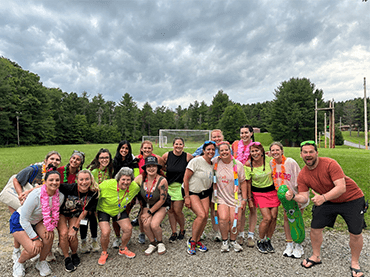 At Camp Courage, a one week sleep away summer camp for children with diabetes run by the Division of Pediatric Endocrinology at UPMC Children’s Hospital of Pittsburgh and community partners, the week combines typical experiences of a summer camp with peers who live with many of the same daily demands of diabetes and a medical team that builds those demands into the rhythm of camp.
 The 2026 edition of Camp Courage brought more than 80 children and adolescents with diabetes to Camp Soles near Rockwood, Pa. Many were returning campers, but each year always brings a contingent of first timers, be it campers or staff. Katherine Vu-Boast, MD, assistant professor, pediatrics and associate director, diabetes, Division of Pediatric Endocrinology at UPMC Children’s, served as the camp’s newest medical director this year.
 Camp Courage’s history goes back more than 40 years to Dorothy Becker, MD, professor of pediatrics, longtime UPMC Children’s pediatric endocrinologist, and former division chief who created the original camp. The camp’s location and name have changed over time, and the camp now operates under the auspices of the American Diabetes Association (ADA) but its mission remains the same, and its impact on campers and staff continues to grow.
“For some children, Camp Courage is the first time they have ever met another child with diabetes. It gives them the space and encouragement to try aspects of diabetes self-care for themselves, while also forming friendships with other children who understand what they are experiencing. Those experiences can be life changing,” Dr. Vu-Boast says.
A day at Camp Courage is like a day at any other summer camp. Campers swim and boat, hike, tackle the ropes course and climbing wall, zip line through the woods and take on a giant water slide built into the hill behind the camp. Morning aerobics has become a camp favorite, sometimes complete with 1980s workout attire. The week also includes longstanding traditions, including “Mock Rock,” when cabins develop dance routines and perform them for the rest of camp at the end of the week.
Diabetes care and education moves in parallel with camping activities. Insulin dosing may need to change depending on what a camper has eaten, current glucose levels, and whether the next activity involves several hours of physical exertion. Low glucose levels need treatment. Pumps and continuous glucose monitor (CGM) sites sometimes fail or need scheduled replacement. The medical staff accompany camper groups throughout the property so those needs can be addressed where they occur without separating diabetes management from the rest of the camp experience.
“One of the things we want campers to understand is that diabetes does not prevent them from fully participating in these activities or from living a full life. Camp gives us an opportunity to show them, in a very practical way, how to do these things safely while managing their diabetes,” Dr. Vu-Boast says.
The technology supporting diabetes care has changed over the years. Almost every camper now uses a CGM, giving medical staff visibility into glucose trends that was unavailable in earlier eras of the camp. Many children also use insulin pumps, while others continue to manage their diabetes with injections. Camp Courage accommodates all the approaches.
The presence of so many different devices and methods for diabetes self-care also gives children a chance to see how other campers use them. A child who has been hesitant to consider an insulin pump can handle one, see it being worn during swimming, hiking and other activities, and even try wearing a pump site without committing to changing therapies long term. A device that may appear intimidating during a clinic discussion can look a lot different after watching another child live with it during the week at camp.
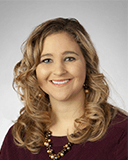 Brianna Rothbauer, PA-C, physician assistant, Division of Pediatric Endocrinology, is part of the volunteer medical staff managing those needs throughout the week. The work includes monitoring glucose values, adjusting insulin dosing around meals and activities, treating high and low glucose levels, assisting with pump and sensor changes and helping with injections. Overnight rounds continue through the cabins after daily activities have ended. Because it is still a summer camp, the medical team handles its share of cuts, scrapes, and insect bites.
“The medical care is always happening in the background, but an equally important part of our role is encouraging campers to try things they may not yet be comfortable doing on their own. They can practice those skills here with support and then take that experience and confidence home with them,” Ms. Rothbauer says.
Camp Courage does not need to turn diabetes education into a classroom exercise. Diabetes management education and skill building happens organically during the day, creating opportunities for children to take on pieces of their own care when they are ready. For one camper, that may be giving an insulin injection independently for the first time. For another, it may be trying a different pump or sensor location on the body. Camp staff keep track of those moments.
At dinner, campers who have attempted something new or worked through something that had previously been difficult are recognized in front of the group. The accomplishments may appear small from outside the world of diabetes management, but they represent big steps toward the independence children will eventually need to manage their diabetes on their own.
The accumulated work behind those steps is substantial. Diabetes does not disappear between insulin doses or glucose checks. Food, exercise, illness, sleep – life – always demands another decision be made.
“Living with diabetes means making decisions all day long. How much insulin to take, what to eat, how an activity will affect your blood sugar later. For children and teenagers, those decisions are layered on top of everything else they are already managing and experiencing. That constant mental load can become exhausting, particularly for children,” Ms. Rothbauer says.
That kind of constant cognitive load can contribute to diabetes burnout, particularly during adolescence. Children may become less engaged with glucose monitoring or insulin dosing simply because they are tired of having to think about diabetes every day. That can have real health consequences. Peer relationships cannot remove the mental work, but they can help change the experience of doing it.
“At camp, nobody has to explain why a low feels awful or why a device problem can ruin the moment. Everyone is dealing with some version of the same thing, and that creates a different kind of support. The kids can talk about what is hard and hear how someone else handles it,” Ms. Rothbauer says.
That dynamic is particularly visible among first-time and younger campers. Some arrive unsure about a week away from their parents in addition to the anxiety that can accompany turning diabetes management over to an unfamiliar group of adults. Over the course of the week, those relationships begin to change. One first-time camper this year spent the final days thanking staff for helping with their diabetes care and was already talking about returning the following summer to see new friends again.
The cycle can continue long after children age out of camp. Older participants can apply to become counselors in training and later return as counselors themselves, placing young adults with firsthand diabetes experience alongside younger campers throughout the day. Some friendships that begin during a week at camp continue for years.
 Three times a day, the dining hall brings together two parts of Camp Courage that have to work together: feeding more than 80 children and managing diabetes around what they eat. Jillian Willis, RD, LDN, registered dietitian, Division of Pediatric Endocrinology, serves as the camp’s lead dietitian. Her responsibilities begin well before a meal reaches the table, from helping plan menus that children will actually eat to making sure that meals accommodate food allergies and gluten-free, vegetarian, and vegan diets. During camp, she is also present throughout meal periods, working directly with campers and the rest of the diabetes care team.
The job, however, involves a larger question than what goes on the menu. In her inpatient and outpatient work at UPMC Children’s, Ms. Willis often meets families who assume a diabetes diagnosis means that food must now be divided into things their child can and cannot eat. Ice cream, pasta, sweets and even foods such as bananas or grapes can suddenly become sources of anxiety. Camp provides a weeklong, real-world setting in which children can learn something more useful: how food, insulin, physical activity and glucose management fit together without turning eating into a system of prohibitions.
“Food is about much more than nutrition. It is part of how families connect, and it carries traditions and culture. A diabetes diagnosis does not mean a child has to give up birthdays, holidays, Friday pizza night, or the foods their family enjoys. Our job is to help families manage diabetes while preserving those parts of eating and family life that are important to them,” Ms. Willis says. “There’s a lot of nuances to that, which makes it both a clinical challenge, but always an interesting one because each of our patients is different.”
Camp added another layer to that work this year with the participation of dietetic interns for the first time. They worked alongside Ms. Willis in the kitchen and dining areas and also joined campers during activities, giving trainees exposure to diabetes nutrition outside the structure of a hospital or outpatient clinic visit.
“Right now, we don’t have a formal nutrition curriculum we use at camp. Much of the education occurs around the meals themselves - choosing food, determining insulin needs, watching what peers eat and seeing that diabetes does not create an entirely separate category of food,” Ms. Willis says. “At some point in the future, I would like to incorporate hands-on cooking or snack preparation into the program, something the camp has offered in previous years, but the existing environment already creates a lot of opportunity for informal nutrition education.”
Camp Courage is popular. Every year there is more interest than available spots and a waiting list. The cost of a weeklong overnight camp, transportation and other family circumstances can still prevent an available space from becoming an attainable one. To try and bridge those gaps, the Division has worked to find financial support for children and families in need.
Fifteen campers received full scholarships for the 2026 session, expanding the number supported in the prior year. Funding came through a combination of American Diabetes Association support and private grant funding facilitated by the Division of Pediatric Endocrinology.
“We actively look for ways to bring camp to children who might not otherwise be able to come, whether the barrier is financial or logistical. We want children to have access to this experience regardless of whether their family could otherwise afford a week of overnight camp,” Dr. Vu-Boast says.
The staffing required to make the Camp Courage experience possible is substantial. Physicians, APPs, nurses, dietitians, social workers and community clinicians volunteer their time for Camp Courage. UPMC Children’s faculty and staff make up much of the medical contingent, but the camp also depends on providers and other participants from outside UPMC Children’s. Many use their own paid time off to spend the week at Camp Courage.
The volunteer community also includes trainees. Three first-year pediatric endocrinology fellows participated this year, and camp can accommodate residents and medical students interested in experiencing diabetes care in a setting they are unlikely to encounter during routine clinical rotations. Exposure to camp has historically played a role in drawing some physicians toward pediatric endocrinology in the first place.
“Camp can be as meaningful for the staff as it is for the children. You see children managing diabetes in a completely different environment than you see in clinic, and that can be eye-opening and renewing, particularly in a field like ours where burnout is common. Experiences like this help sustain your connection to why you chose to do this work in the first place,” Dr. Vu-Boast says.
The week also temporarily removes staff from much of their own usual environment. The camp location has limited cell phone service.
“Camp becomes its own little world for that week. You are staying in a cabin, cell service is limited and everyone is focused on creating this experience for the kids. There is a lot of responsibility involved, but it is also an incredibly rewarding way to spend the week,” says Ms. Willis.
Camp does not end cleanly when everyone leaves for at the end of the week. Many of the campers receive their diabetes care at UPMC Children’s, which means the staff volunteering at camp may see the same children again during clinic visits.
Sometimes that happens almost immediately. On the Monday after camp, Ms. Willis walked into an outpatient appointment and found one of the boys with whom she and the dietetic interns had been playing a game.
“The Monday after camp, one of the boys I had been playing Nine Square with came into clinic. I went from playing a game with him at camp to sitting down as his dietitian and reviewing his glucose data. It felt much more personal than a typical outpatient visit because we had just spent that time together in a completely different setting,” Ms. Willis says.
For clinicians, a week at camp gives them something a routine clinic visit cannot. They see how children manage diabetes while eating with friends, engaged in hours-long physical activities, coping with a device problem, getting tired, or trying something unfamiliar. The children, in turn, see their clinicians outside the exam room, in some instances, managing their own diabetes alongside the campers.
That familiarity can matter when they return to clinic. Children sometimes worry that admitting they have missed insulin doses, ignored glucose readings or struggled with some other part of their regimen will get them into trouble. A relationship built through several days of shared activities can lower some of that barrier.
“Spending that much time together builds a different level of trust. At camp, they see us throughout the day, we go to activities with them, and we help them deal with whatever comes up with their diabetes. When they come back to clinic, that relationship can make it easier for them to tell us what is actually happening at home so we can work through it together,” Ms. Rothbauer says.
The presence of clinicians who already know the children can be equally important for parents. Sending a child away for a week can be difficult under any circumstances. Adding insulin dosing, glucose monitoring, overnight lows, and device management gives families more to worry about. Knowing that members of the same team caring for their child throughout the year will also be at Camp Courage can make that first week away more manageable.
Some of what children take home from Camp Courage is considerably less clinical. Like the smunchies.
Smuchies are a frozen s’mores-style treat and are legendary at Camp Courage. Children ask how to make them at home so often that Ms. Willis began printing the recipe. She keeps copies available to hand out after camp.
“A lot of diabetes can feel like, ‘Why me? I don’t want to do this.’ What we want children to understand is that the work of managing diabetes is there to help them live long, healthy, productive lives, and that they are not alone in doing it. They have a whole team and an entire network surrounding them. That is a big part of what camp is about,” Dr. Vu-Boast says.
If you would like to make Smunchies for yourself, below is the recipe for this legendary Camp Courage snack.
Makes 9-11 Smunchies
About 20 g. carbohydrates for 1 Smunchie
Ingredients
Instructions
Alternatives

