

Password Reset
Forgot your password? Enter the email address you used to create your account to initiate a password reset.


Forgot your password? Enter the email address you used to create your account to initiate a password reset.
10 Minutes
The Cardiogenic Shock Survivorship Clinic is a relatively new component of the UPMC Heart and Vascular Institute Cardiogenic Shock Program. It is designed to close gaps in care after patients survive an acute hospitalization and work to improve overall patient health and quality of life. The clinic provides structured early follow-up for patients recovering from cardiogenic shock and helps to establish the cardiovascular, rehabilitation, and supportive care they may need after discharge.
The broader UPMC Cardiogenic Shock Program is led by Gavin Hickey, MD, Section Chief of Advanced Heart Failure and Cardiac Transplantation and Medical Director of the Cardiogenic Shock and VAD Programs; Nicole Kunz, RN, nurse manager for the Artificial Heart and Cardiogenic Shock Program; and Amanda Hopwood-Brophy, PA-C, APP surgical supervisor for the VAD and Transplant Program. Ms. Kunz and Ms. Hopwood-Brophy currently manage the survivorship clinic and the early post-discharge pathway for patients entering the program.
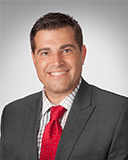
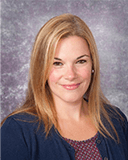

From left to right: Gavin Hickey, MD, Nicole Kunz, RN, Amanda Hopwood-Brophy, PA-C
The survivorship clinic extends the Cardiogenic Shock Program’s model of coordinated care beyond the acute episode. As the larger, formal Cardiogenic Shock Program has developed and transformed since 2017, its emphasis on earlier recognition, standardized treatment algorithms, rapid escalation of care, extensive training in and outside the UPMC system, and multidisciplinary management has led to substantial reductions in mortality, and, in turn, created a growing population of patients surviving cardiogenic shock. In 2025, the program added a formal survivorship clinic as another component of the broader Cardiogenic Shock Program’s evolution to better manage this complex patient population.
“Historically, cardiogenic shock has had a 40 to 50% mortality rate. Our program’s work over the last decade has brought that percentage down within our system closer to 25%,” Dr. Hickey says. “That number is still too high, but we are tackling the program from every possible angle to lower that number further. The survivorship clinic is one of the team’s newer clinical programs working to achieve that goal.”
The need for a formal post-discharge pathway became apparent through the Cardiogenic Shock Program’s regular review of cases and outcomes. Early in the program, the team reviewed shock calls approximately every two weeks, examining not only how patients were managed clinically but also transfer timing, communication, and whether the processes surrounding shock care were functioning as intended. Over time, those reviews identified patients who had survived an initial episode of cardiogenic shock but later returned with heart failure or recurrent shock.
“Before the survivorship clinic was established, post-discharge care varied depending on which service had managed the patient during hospitalization. Patients with cardiogenic shock may receive care from interventional cardiology, electrophysiology, cardiac surgery, heart failure, and other specialties. Most left the hospital with cardiology follow-up, but the timing, location, and coordination of that care could differ substantially from one patient to another,” Ms. Hopwood-Brophy says.
One patient became an important impetus for creating the clinic. His myocardial infarction was identified rapidly at an outside hospital, and he moved through the acute cardiogenic shock pathway as his condition deteriorated. He recovered and was discharged home, but over the ensuing months he experienced several hospitalizations. Although some did not initially appear to be cardiac admissions, retrospective review showed repeated treatment for heart failure, including intravenous diuresis. Approximately six months after his initial episode, he developed cardiogenic shock again and did not recover.
“This case illustrates a problem that acute shock management alone could not address. A patient could receive timely recognition, transfer, escalation of care, and mechanical circulatory support and still face substantial risk once the hospitalization ended,” Ms. Kunz says. “The survivorship clinic was created to provide a more consistent transition from survival of the acute event into the longer period of cardiac recovery and disease management that follows.”
The survivorship pathway begins during the index hospitalization. Nurses review charts to identify patients admitted with cardiogenic shock who may benefit from structured post-discharge follow-up.
Patients who are already established with the UPMC heart failure team return through the existing heart failure discharge pathway rather than entering the survivorship clinic. Patients receiving end-of-life care are also not enrolled. The survivorship clinic therefore primarily serves patients who are new to the heart failure team and who need an organized transition into ongoing cardiovascular care.
Whenever possible, Ms. Kunz and Ms. Hopwood-Brophy meet patients before discharge. At minimum, the survivorship appointment is scheduled before the patient leaves the hospital so that follow-up is already in place.
“The first visit occurs within seven to 10 days after discharge. More than 95% of these visits are conducted virtually,” Ms. Hopwood-Brophy says. “Many patients treated through the Cardiogenic Shock Program live considerable distances from Pittsburgh, making telemedicine an important component of the model and allowing our team to assess patients early without requiring another trip to the tertiary center soon after a major hospitalization.”
The first survivorship visit focuses on the issues most likely to affect a patient’s recovery in the days immediately after discharge. The team reviews symptoms, blood pressure, volume status, medication access and adherence, and any problems that have developed since the patient returned home. Some patients require adjustment of diuretics or other heart failure therapies during this period.
“The visit also serves as a point of coordination. We can determine if home health services are needed, whether the patient is ready to begin cardiac rehabilitation, or if follow-up has been arranged,” Ms. Kunz says. “That may include heart failure cardiology, cardiothoracic surgery, or other cardiovascular services.”
Instead of asking patients to arrange those appointments independently, the survivorship team will often handle the scheduling themselves. The distinction is important for patients who may have had little previous contact with the health care system before cardiogenic shock and who leave the hospital with new diagnoses, multiple medications, and several specialty appointments to manage.
“Medication access is another common issue we see frequently,” Ms. Hopwood-Brophy says. “Patients may leave the hospital with a short initial medication supply but no clear understanding of how refills will be obtained, or which clinician will assume responsibility for longer-term prescribing. The survivorship visit gives our team an opportunity to identify those problems before they create an interruption in therapy down the road.”
For most patients, the survivorship clinic is not intended to become their permanent site of cardiovascular care. Its principal role is to bridge the interval between discharge and establishment of a stable longitudinal care plan.
“I usually arrange to have patients seen again within approximately one month of the initial survivorship visit, ideally through the heart failure team,” Ms. Hopwood-Brophy says. “If an appointment is not available within that interval, or the patient cannot attend, the survivorship clinic can provide another virtual visit so that several weeks do not pass without clinical contact.”
Approximately 80% of patients require only one survivorship clinic visit before they can be transitioned successfully into heart failure care. Others may be under closer follow-up for several weeks or longer while their medications are adjusted, symptoms stabilize, or other elements of the care plan are worked out.
Once that transition occurs, patients commonly continue follow-up at three- to six-month intervals depending on their degree of recovery and ongoing cardiac or medical problems. Patients with more complete recovery may eventually be seen less frequently.
“The UPMC Heart and Vascular Institute’s network of heart failure practices also allows many patients to return to care closer to home rather than continuing to travel,” Ms. Kunz says. “That transition from our centralized post-shock follow-up to regional longitudinal care is an important component of the survivorship model.”
Recovery after cardiogenic shock can involve substantially more than management of ventricular function and heart failure medications. For some patients, this may be their first sustained interaction with the health care system. They may return home unsure how to obtain medication refills, whom to contact when symptoms change, or how to coordinate multiple follow-up appointments.
“Other patients are unable to return immediately to work and may face loss of income, disability paperwork, food insecurity, housing concerns, or difficulty paying for medications and medical supplies,” Ms. Hopwood-Brophy says. “The survivorship clinic provides a point of contact for identifying these problems and connecting patients with social work and other available resources that may be needed.”
The Cardiogenic Shock Program has also been exploring ways to connect patients with nonprofit organizations and charitable resources within UPMC for assistance with food, housing, medications, and other supplies. These needs are part of the larger recovery process after a life-threatening illness that can abruptly change a patient’s functional status, employment, finances, and dependence on family members.
“Cardiac rehabilitation is another component of recovery,” Ms. Kunz says. “The survivorship clinic helps determine when patients are ready to begin rehabilitation and assists with arranging that care. Rehabilitation may also provide useful information about functional recovery that cannot easily be collected during predominantly virtual survivorship visits.”
With the survivorship clinic now in operation for more than a year, the Cardiogenic Shock Program is beginning to examine longer-term outcomes among the patients it has followed.
“Readmission is one of the principal measures we are looking at, although recurrent hospitalization remains common among patients with significant underlying cardiac disease and cannot be interpreted independently of disease severity,” Ms. Hopwood-Brophy says. “We are also interested in examining if patients complete scheduled follow-ups, what barriers prevent some patients from doing so, and if those barriers can be reduced through changes in the post-discharge pathway.”
Other outcomes metrics the team is focused on understanding relative to the survivorship clinic is its impact on survival, functional recovery, quality of life, and participation in cardiac rehabilitation.
“With our earliest clinic patients now more than a year removed from their index hospitalizations, our cardiogenic shock program can begin assessing one-year outcomes and comparing longer-term trajectories among patients who successfully engage in post-shock follow-up care,” Ms. Kunz says.
The current survivorship pathway is focused on patients admitted with cardiogenic shock at UPMC Presbyterian, but the program is considering expansion to patients treated and discharged from other UPMC hospitals. The planned model would maintain centralized survivorship expertise while using virtual care to extend early follow-up across a wider geographic area and then transition patients into appropriate heart failure or cardiology care closer to home.

