

Password Reset
Forgot your password? Enter the email address you used to create your account to initiate a password reset.


Forgot your password? Enter the email address you used to create your account to initiate a password reset.
6 Minutes
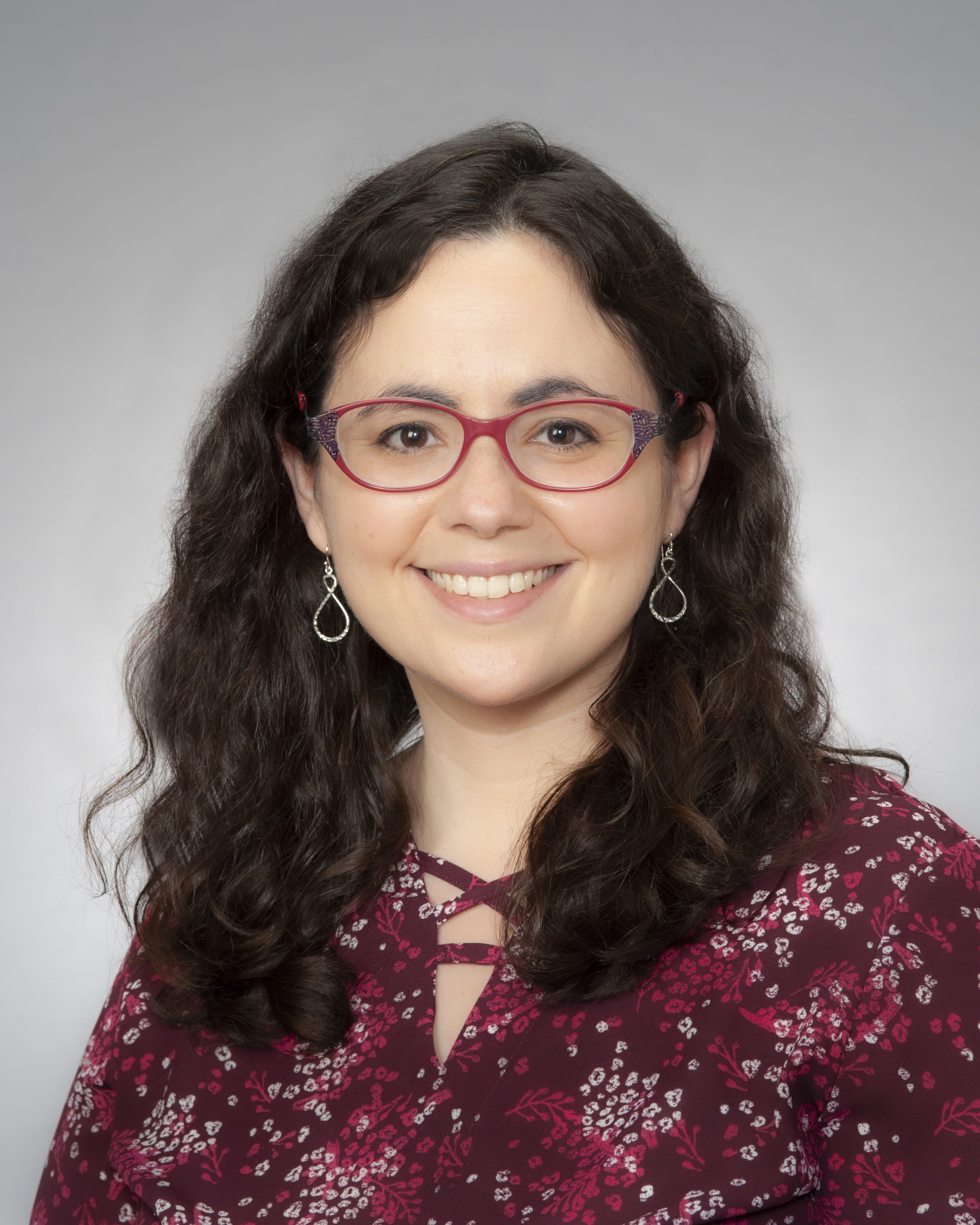 Erica Braverman, MD, a pediatric hematologist-oncologist at UPMC Children’s Hospital of Pittsburgh and assistant professor of Pediatrics in the Division of Pediatric Hematology/Oncology at the University of Pittsburgh School of Medicine, received two new research grants supporting her investigations into the failure of adoptive cell therapies in pediatric solid tumors. The Sarcoma Foundation of America and the SAM Day Foundation each awarded grants to Dr. Braverman to support complementary aspects of her preclinical work focused on rhabdomyosarcoma (RMS), which is the most common soft tissue sarcoma seen in children.
Dr. Braverman’s research aims to clarify how the tumor immune microenvironment evolves after treatment with CAR T cell therapy and how those changes may undermine treatment success.
Her current research is conducted in the Vignali Laboratory in the University of Pittsburgh Department of Immunology , where she collaborates with investigators studying immune regulation and checkpoint inhibition. These studies may have implications beyond RMS, informing new approaches to solid tumor immunotherapy across a range of solid tumors and pediatric cancers.
Pediatric tumors differ biologically from many adult cancers. One way they are different is in their relatively low mutational burden, which creates fewer neoantigens that help the immune system recognize cancer cells as abnormal. Without these, the immune system is less likely to have an effective response. This is a major contributing factor towards why immunotherapies like the checkpoint inhibitors have largely seen suboptimal results in treating pediatric tumors.
“Pediatric tumors often lack the immune cell infiltration we see in similar cancers in adults, in part because they carry fewer mutations and therefore fewer neoantigens that the immune system can recognize,” says Dr. Braverman.
This lack of intrinsic immune activity has made pediatric sarcomas a poor fit for existing immunotherapies that depend on reinvigorating existing T cell populations. However, CAR T cell therapy introduces engineered cells directly, but its application in sarcomas also has so far produced suboptimal antitumor responses.
To investigate how the tumor microenvironment may adapt to CAR T cell therapy in RMS, Dr. Braverman is using a fully immunocompetent murine model of RMS, enabling the study of CAR T cell interactions within an intact immune system. While the RMS model itself has been previously established, this approach is distinct in that it employs murine CAR T cells in syngeneic hosts rather than human CAR T cells in immunodeficient mice allowing for direct evaluation of how endogenous immune cells influence CAR T cell persistence and antitumor activity.
Further, instead of injecting RMS tumors into the subcutaneous space, as is done in many preclinical murine studies, Dr. Braverman’s system involves implanting tumor cells directly into the calf muscle of immunocompetent mice. This anatomical placement more accurately reflects the environments where RMS naturally arises.
“CAR T cells may initially enter the tumor, but if the microenvironment adapts and becomes immunosuppressive, these therapies lose their potency,” Dr. Braverman says.
Dr. Braverman’s model incorporates murine CAR T cells engineered to target B7-H3, a promising tumor-associated antigen that is highly expressed in pediatric solid tumors but minimally expressed in normal tissue. In addition, B7-H3 also may suppress local immune activity within the tumor making it a dual-purpose therapeutic target.
In early experiments, Dr. Braverman has found that while CAR T cells successfully reach the tumor, they are followed by a surge of immunosuppressive cell populations that appear to reshape the microenvironment and promote tumor resistance.
“In some models, once the CAR T cells disappear, the tumors actually grow back more aggressively,” Dr. Braverman says. “That is not an ideal situation and is something we’re trying to figure out how to work around.”
The findings from Dr. Braverman’s research so far suggest that CAR T cell therapy may need to be combined with other agents, like checkpoint inhibitors or metabolic modulators, to succeed in pediatric sarcomas. Dr. Braverman’s earlier research focused on the metabolic fitness of CAR T cells in hostile tumor environments, and she is now integrating those approaches into this model.
“We never expect a single chemotherapy drug to be curative. However, with CAR T cells, we often treat it as a monotherapy,” Dr. Braverman says. “We need to understand what the tumor is doing in response, and design protocols that account for that. Most likely this will require combinations of agents to deal with the many ways in which tumors can outsmart the therapies we throw at them.”
The new grants supporting Dr. Braverman’s research will help her team to map the immune responses that follow CAR T cell infusion and to begin testing rational combination therapies that block the suppressive mechanisms at play before they get started.
The importance of foundation and philanthropic support in enabling early-stage research in pediatric cancers, particularly rare subtypes like RMS cannot be understated. Because of the small patient population, large-scale federal funding for these diseases remains less than ideal.
“Funding from groups like the Sam Day Foundation and the Sarcoma Foundation of America is essential to the work of early-career investigators and the types of diseases we are studying in pediatric oncology,” Dr. Braverman says. “Most pediatric cancers are rare by definition, and without this kind of support, it would be incredibly difficult, if not impossible, to build the data needed to pursue larger federal grants.”
Additional Grant Information
Below is a list of previously published research by Dr. Braverman.

